


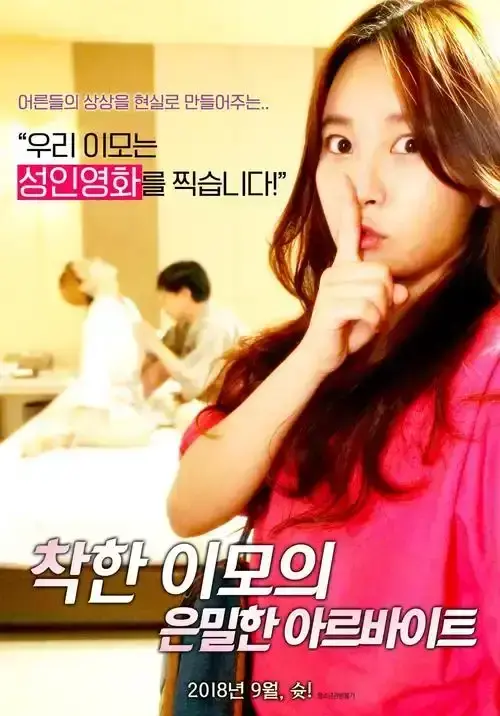
《姨母的诱惑》是一部聚焦于当代家庭与情感的韩国电影。影片通过一段特殊的人物关系,展现了现代人在传统伦理与个人欲望之间的复杂纠葛。其叙事冷静克制,将人物的内心世界置于社会关系的显微镜下进行观察。
情感困境的时代镜像
电影所描绘的情感困境并非孤例,而是特定社会结构下的产物。高速运转的现代社会,个体常被挤压在家庭责任与自我实现之间。影片中的关系设置,如同一面棱镜,折射出这种普遍存在的压抑与渴望。
这种困境的根源在于角色所背负的多重身份。他们既是社会规范的遵从者,也是内心需求的真实个体。电影没有简单评判对错,而是呈现了这种张力如何具体地作用于日常生活,使人物每一步都步履维艰。
叙事框架与镜头语言
影片采用了一种近乎白描的叙事手法,情节推进平稳,避免戏剧化的冲突渲染。这种克制恰恰强化了真实感,让观众能够贴近人物的心理节奏。镜头常常停留在人物的面部表情或静止的物件上,以留白传递汹涌的暗流。
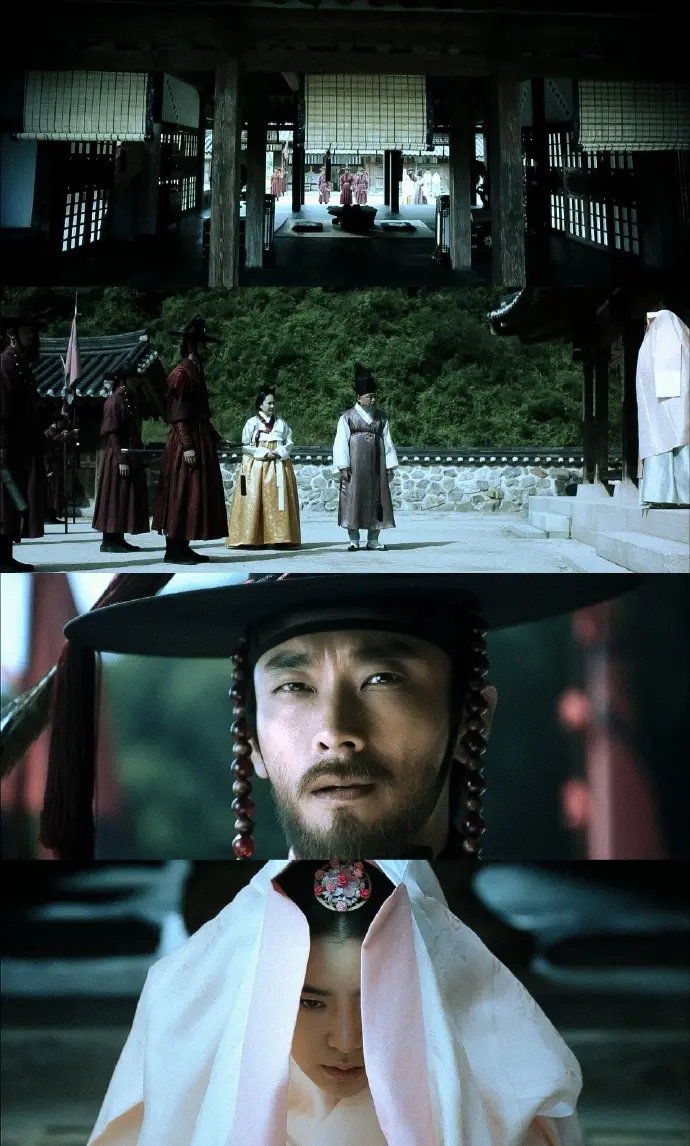
空间场景的运用也别具匠心。狭小的居室、安静的街道,这些日常环境构成了人物活动的舞台,也象征着无形的精神牢笼。光影的明暗对比,巧妙地外化了人物内心的矛盾与挣扎,使情绪可视化。
人物内心的细致刻画
电影的成功很大程度上依赖于对角色的深度塑造。主角并非脸谱化的欲望载体,其行为背后有着清晰的心理动机与情感逻辑。影片花费大量篇幅去铺垫她的生存状态与历史,使得她的选择变得可以理解,即便未必被认同。
配角同样具有丰富的层次,他们的反应与互动,共同织就了一张复杂的人际关系网。每个人物都带着自身的局限与诉求,他们的碰撞不是简单的善恶对立,而是不同生命轨迹在特定情境下的无奈交织。
艺术表现与社会观察
In artistic expression, the film abandons sentimental music and exaggerated performances, relying on details and atmosphere to create tension. The pause of a line, the avoidance of a look, all carry a huge amount of information. This implicit way of expression requires the audience to actively participate in interpretation to obtain a more profound experience.
The value of the film lies in that it provides a calm social observation. It is not eager to give answers, but clearly presents the problem itself. While witnessing the struggles of the characters, the audience can also reflect on the reality they are in and think about the eternal proposition among emotion, responsibility and self.
现代启示与沉默回响
Ultimately, the significance of the film transcends the story itself. It reveals a certain fragility of the modern emotional structure and the confusion that individuals face when seeking emotional support in the current context where the traditional framework is gradually loosening. This kind of dilemma has cross-cultural universality.
The ending of the film often has a long aftertaste, not providing a clear redemption or destruction. This open-ended treatment precisely respects the complexity of life. It allows the thinking to continue beyond the screen, and every audience may see their own shadows or get a certain silent resonance from it.


评论